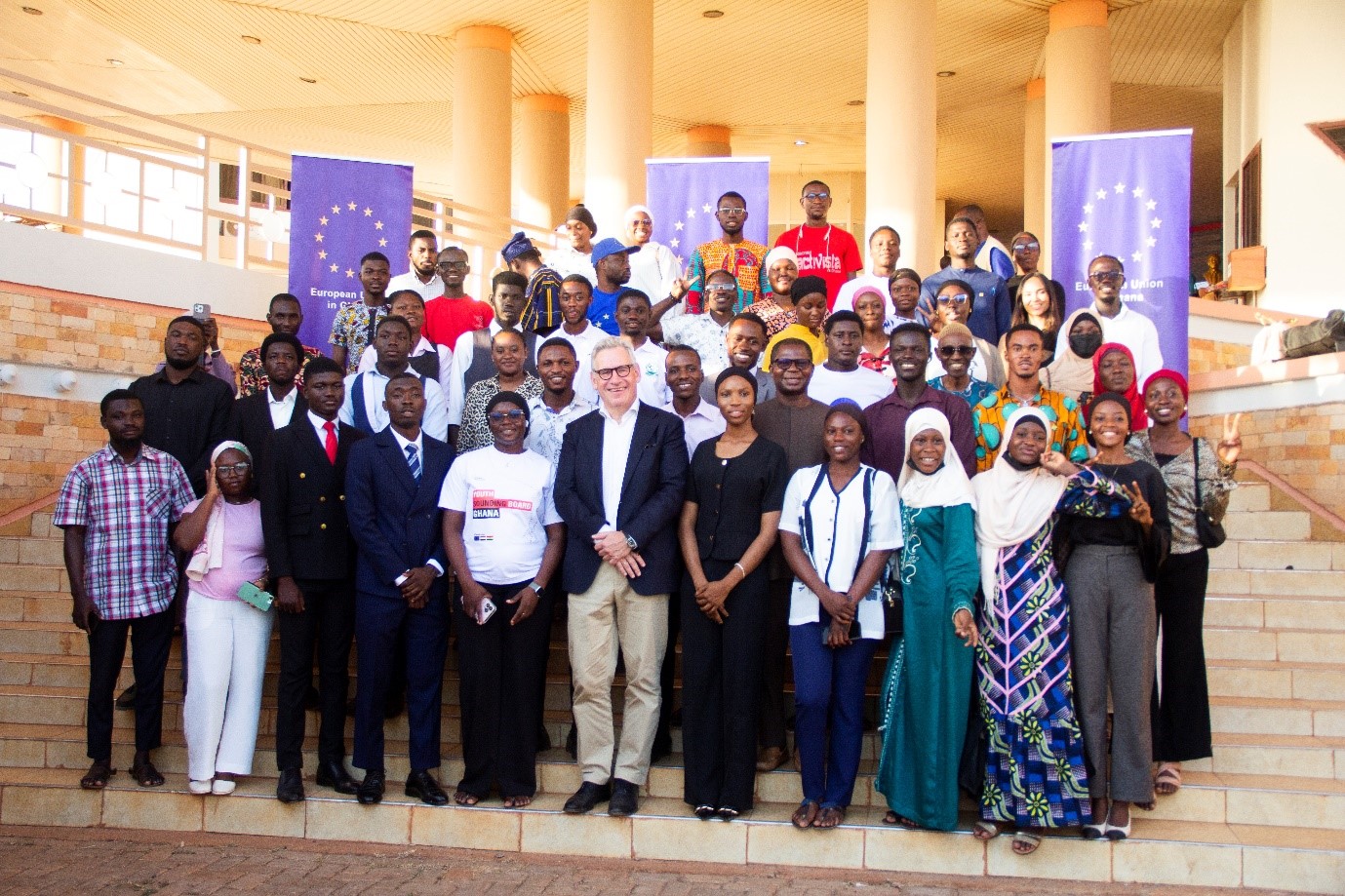
EU Ambassador to Ghana Highlights Youth Potential in National Development During Courtesy Visit to UDS Vice-Chancellor
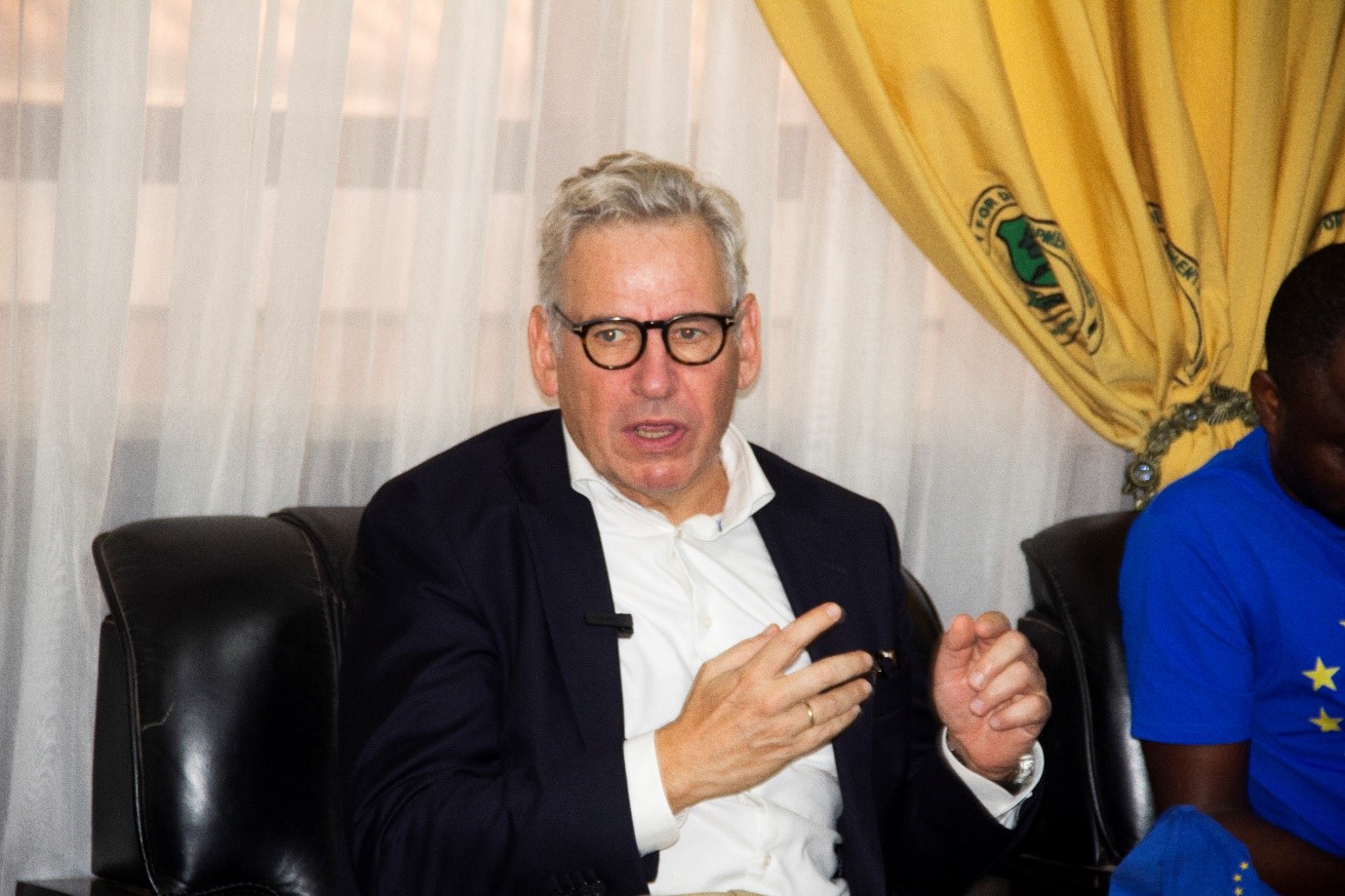
The European Union (EU) Ambassador to Ghana, Mr. Rune Skinnebach, has underscored the critical role of young people particularly Generation Z, in shaping development policies that will determine the future of Ghana and other developing countries.
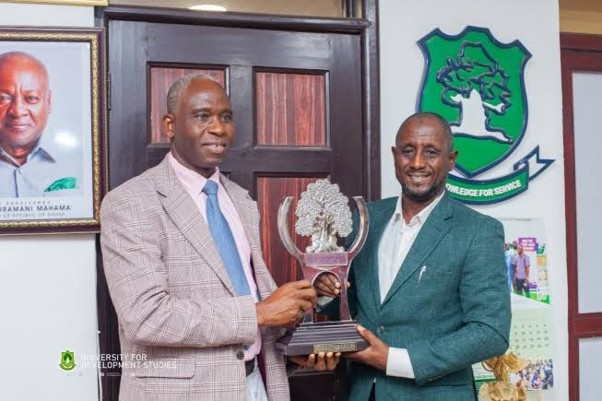
Mr. Skinnebach made these remarks during a courtesy visit to the Vice-Chancellor of the University for Development Studies (UDS), Prof. Seidu Al-Hassan, on November 25, 2025. The visit formed part of the EU’s broader engagement with tertiary institutions to promote youth participation in governance, policy dialogue and sustainable development.
Describing the youth as the “trunk” of national development, the EU Ambassador stressed that Ghana’s future largely rests in the hands of its young population. He noted that meaningful progress can only be achieved when young people are actively involved in policy formulation and implementation, rather than being treated as passive beneficiaries.
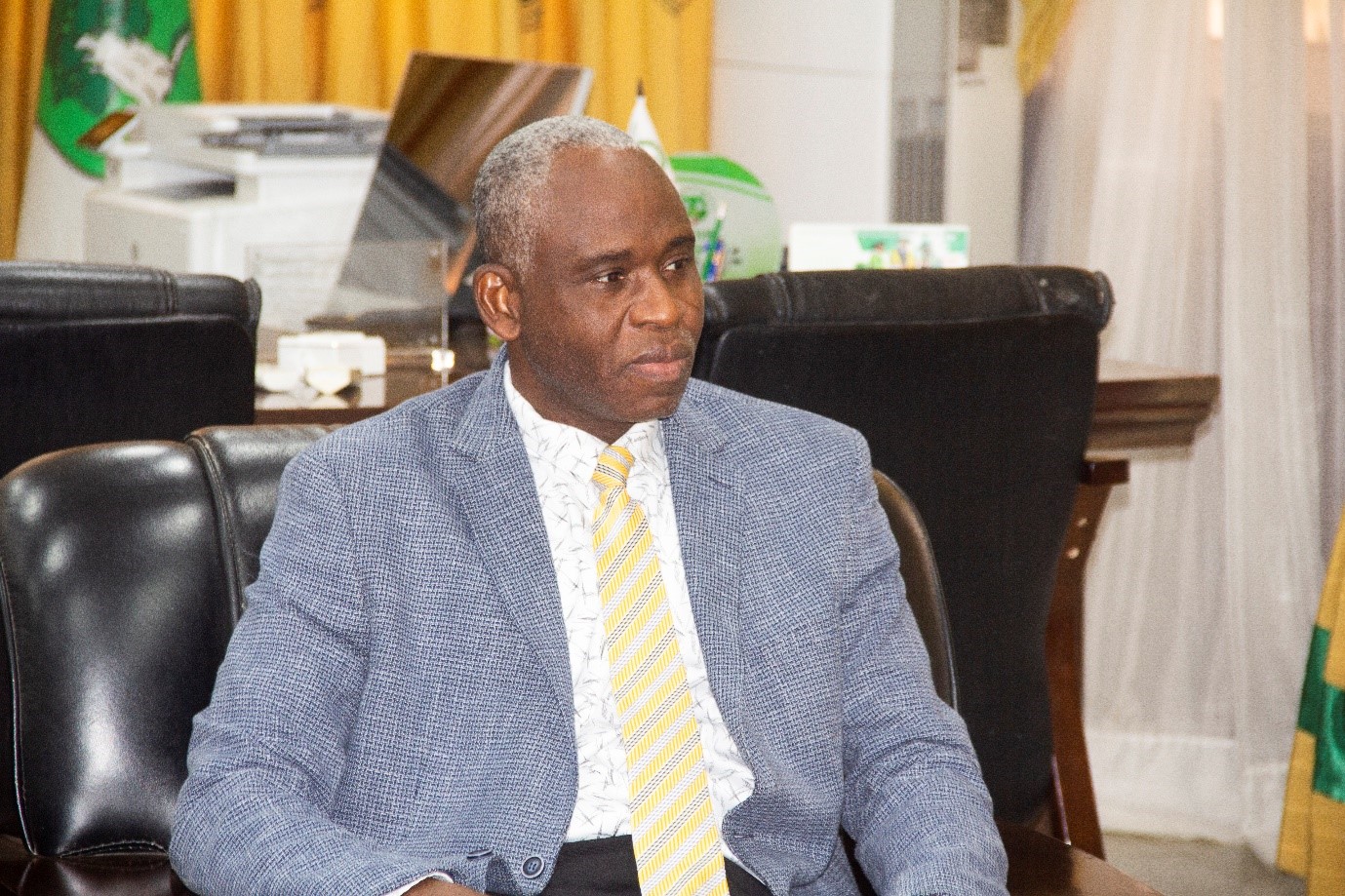
In his response, Prof. Seidu Al-Hassan commended the youth for their increasing involvement in national development efforts and encouraged them to take leadership roles in championing positive change among their peers. He emphasised that young people must be empowered not only academically but also socially and politically to contribute effectively to nation-building.
The Vice-Chancellor further called on policymakers and development stakeholders to adopt inclusive approaches in policy framing, with particular attention to youth participation. He observed that for many years, young people had been underestimated and sidelined in key decision-making processes, a situation he said must be deliberately corrected.
Highlighting the role of UDS in addressing contemporary development challenges, Prof. Al-hassan outlined several academic programmes and research initiatives undertaken by the University that are aimed at finding sustainable solutions to environmental problems, including climate change and land degradation.
As part of activities marking the visit, the UDS Youth Sounding Board later organised a lively and intellectually stimulating debate on the motion: “This House would support the EU suspension of agricultural produce until galamsey becomes a thing of the past.” The debate attracted significant interest, with participants demonstrating strong analytical skills, confidence and eloquence, drawing loud applause from the audience.
Clearly impressed by the performance of the debaters, Mr. Skinnebach commended the students for their depth of argument and clarity of expression. He reiterated the European Union’s commitment to supporting Ghana in the fight against illegal mining, popularly known as galamsey, describing it as a major threat to environmental sustainability and food security.
The visit reinforced the shared commitment of the EU and UDS to youth empowerment, inclusive governance and sustainable development, while highlighting the University’s growing role as a platform for critical national and global policy discussions.
Story by: Ibrahim Abubakari Dinnani