
Former Pro Vice-Chancellor of UDS, Prof. Abagale Rallies Educators and Policymakers to Rethink Education for 21st Century Africa
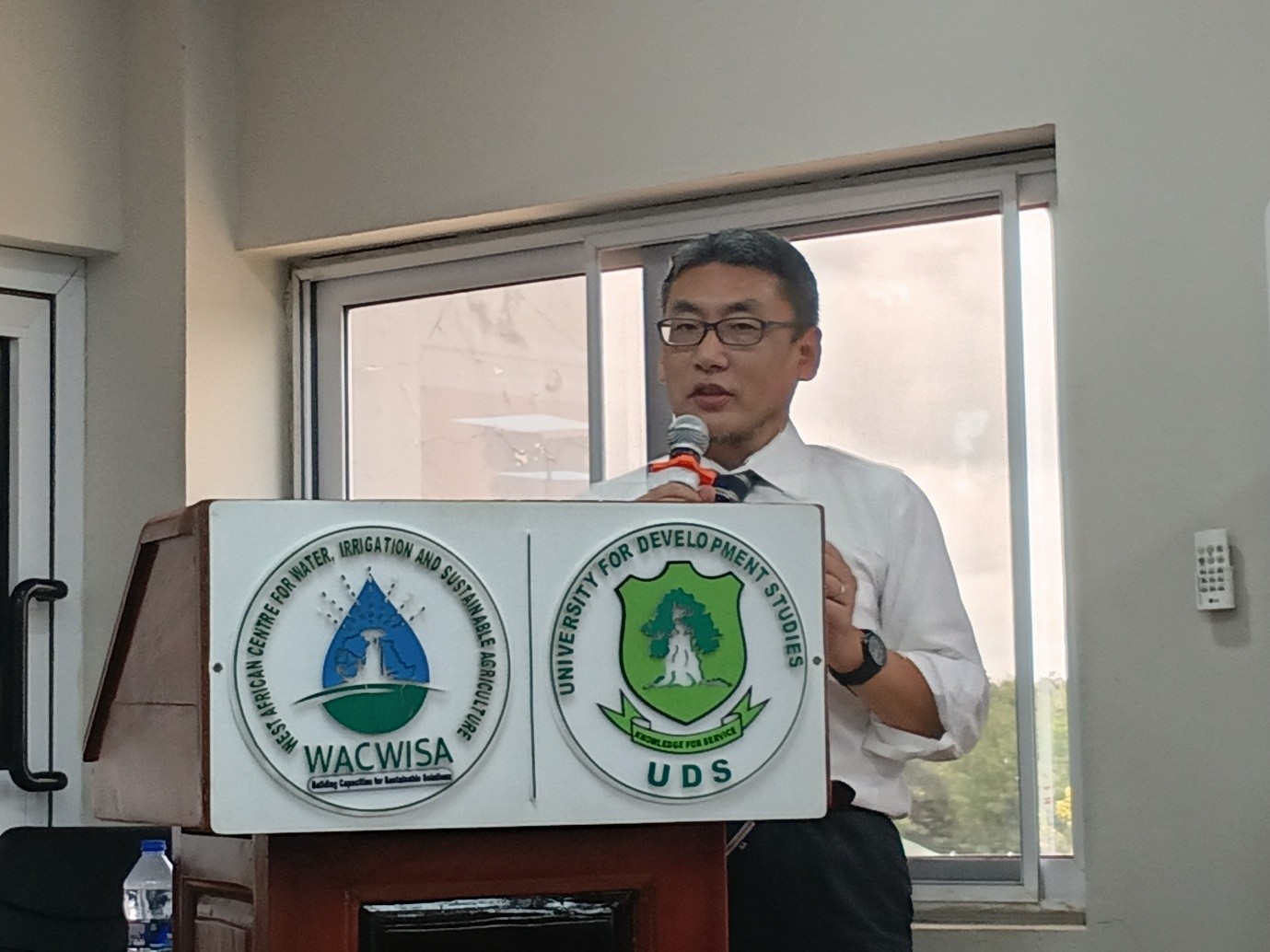
The former Pro-Vice Chancellor of the University for Development Studies (UDS) and Director of the West African Centre for Water, Irrigation and Sustainable Agriculture, Prof. Felix K. Abagale, has issued a clarion call for a radical transformation of Ghana’s education system to produce learners who are critical thinkers, digitally literate, entrepreneurial, and globally conscious.
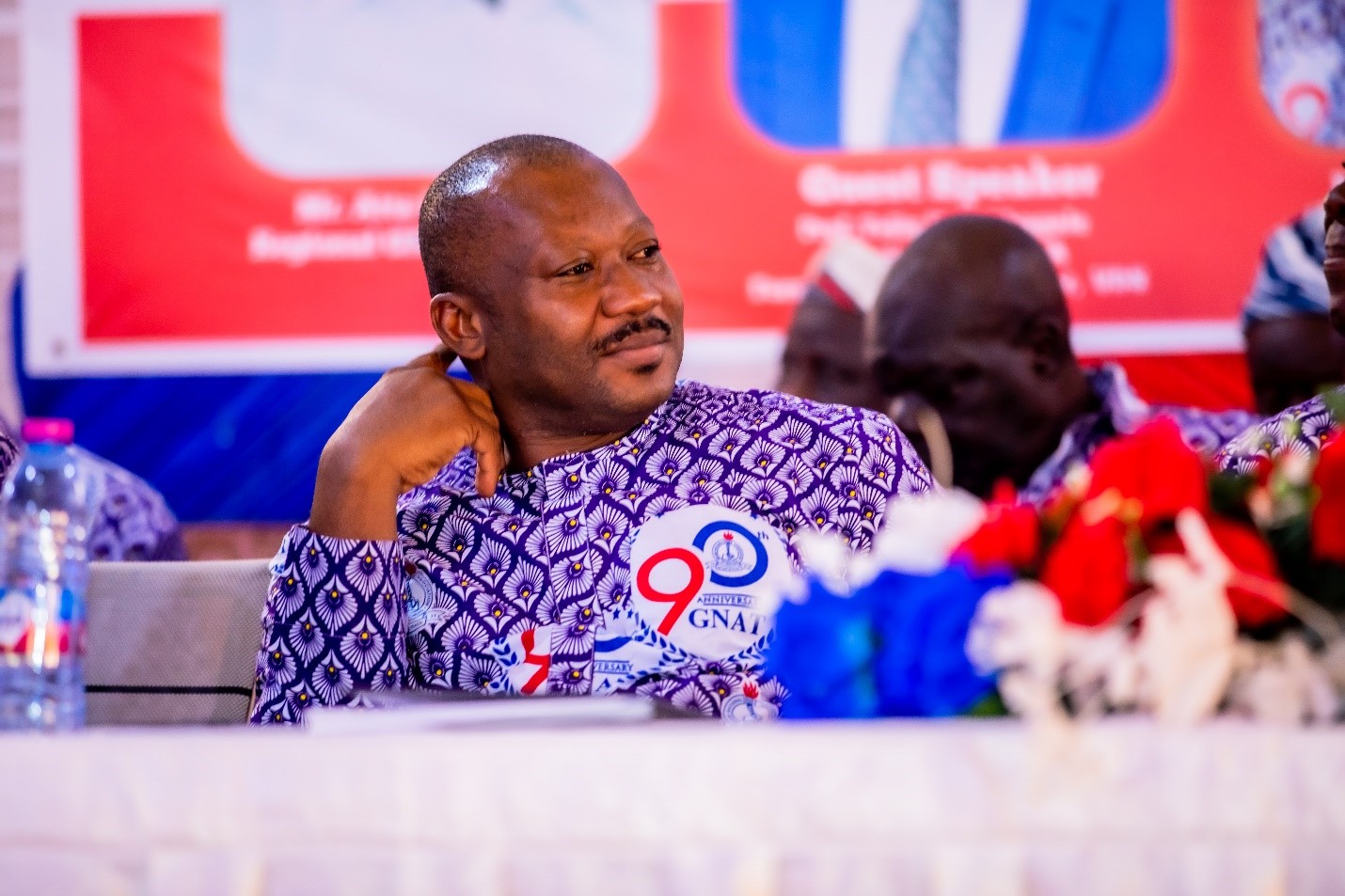
Delivering a keynote address at the 7th Quadrennial (54th) Regional Delegates Conference of the Ghana National Association of Teachers (GNAT) in Tamale on Wednesday, July 30, 2025, Prof. Abagale stressed the urgency of building an educational framework that prepares the African child not just to pass exams, but to “shape the future, lead with purpose, and contribute to an African renaissance in the 21st century.”
Speaking on the theme “Educating an African Fit for the 21st Century: The Role of Policy Makers and Teacher Unions in Ghana,” the UDS professor celebrated current reforms in the education sector but insisted they must evolve beyond policy pronouncements to actual systemic shifts.
“A 21st century-ready African must be a critical thinker, innovative, adaptable, and ethically grounded, able to navigate a digital world and still remain rooted in civic responsibility,” Prof. Abagale asserted.
He praised Ghana's ongoing interventions such as the Free SHS policy, STEM education emphasis, and the integration of ICT at all levels, but noted that true educational transformation will require collaboration between policy makers, teacher unions, and local communities.
“Educating an African fit for today and tomorrow is not the job of one ministry or one union. It is the collective responsibility of every actor in the ecosystem,” he stressed.
Prof. Abagale underscored the importance of aligning national policies such as the Education Strategic Plan (2018–2030), the Ghana@100 agenda, and the African Union’s Agenda 2063 with the UN Sustainable Development Goals, particularly SDG 4 on inclusive and equitable quality education.
He challenged teacher unions, including GNAT, TEWU, NAGRAT, and CCT-GH, to rise beyond salary negotiations and welfare advocacy, and become active architects of education policy.
“Unions must be seen not just as protectors of benefits, but as partners in shaping policy, developing curriculum, and reforming teaching methods. When unions are excluded, red flags emerge. But when they lead, reform is rooted,” he emphasized.
The UDS scholar outlined a 12-point learner profile for 21st-century African students, highlighting attributes such as self-directed learning, problem-solving, digital fluency, adaptability, global awareness, and civic consciousness.
He also called for increased investment in infrastructure, teacher training, and digital access to bridge existing gaps, especially in rural schools.
“It’s time to move from ‘chew, pour, pass, forget’ to inquiry-based, solution-driven learning. Let’s empower teachers not just to teach, but to transform,” Prof. Abagale charged.
Touching on the role of policy makers, he urged the Ministry of Education and its agencies like NaCCA and the National Teaching Council to engage in structured policy co-creation with unions and communities.
He also recommended decentralizing education management to district levels to improve efficiency and context-based decision-making.
“We must create environments where learners develop not only for the job market, but as leaders and problem solvers for Ghana and Africa,” he said.
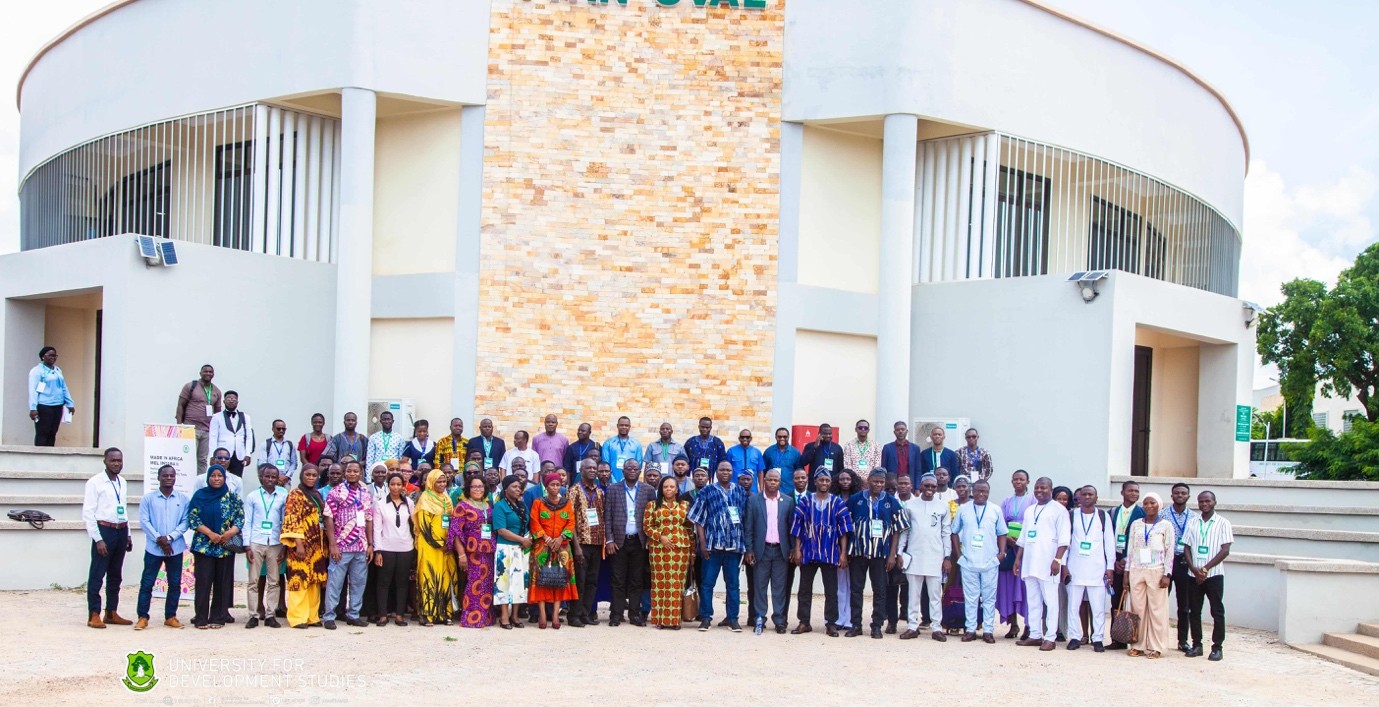
The conference, which drew hundreds of educators and stakeholders, was graced by traditional rulers including the Choggu Naa, Kasul Lana, and Nyerizee Naa, the Regional Director of the Ghana Education Service, regional and national executives of GNAT, union leaders, and policy makers.
Prof. Abagale concluded with a rallying call:
“Let us invest in teachers, transform our classrooms, and place education at the heart of national transformation. One child, one teacher, one pen, and one book can change the world and we must be the catalysts.”
Story by Abdul Hayi Moomen
UDS Media