UDS Lecturer, Mr. Peter Amadu Mintir Presents Ghana’s Mental Health Landscape at Global Conference
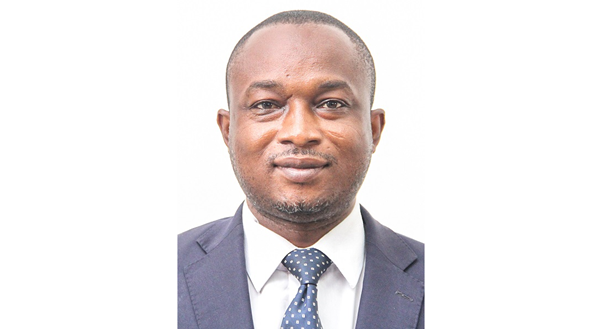
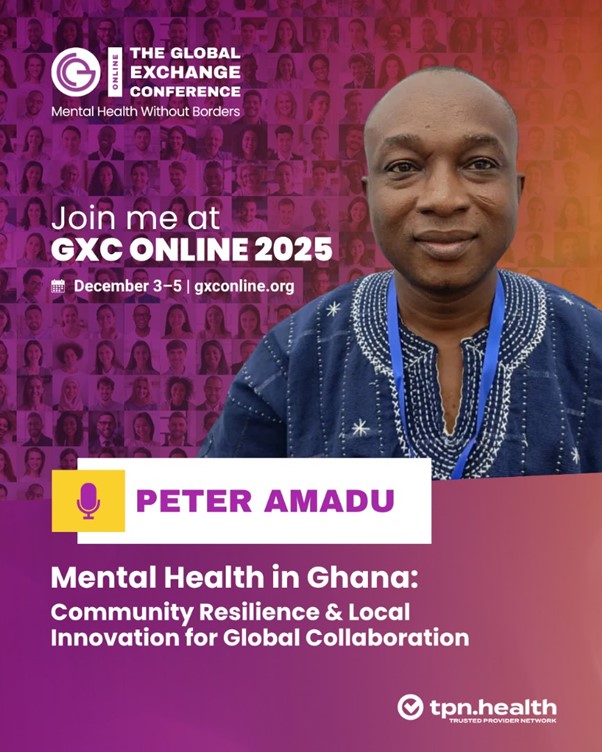
A lecturer at the University for Development Studies (UDS), Mr. Peter Amadu Mintir, has taken Ghana’s mental health discourse to the global stage, delivering a compelling presentation at the 2025 Mental Health Without Borders – Global Exchange Conference.
Mr. Mintir, a lecturer at the Department of Clinical Psychology, School of Medicine, was the Ghanaian presenter at the international forum, where he spoke on “The Mental Health Landscape of Ghana.” His presentation offered participants a nuanced understanding of Ghana’s mental health context, the evolving role of universities in training professionals, and the impact of community-based interventions, particularly in northern Ghana.
Introducing Ghana to the global audience, Mr. Mintir described the country as one with “rich cultural diversity and strong communal values,” but noted that mental health remains one of the most under-resourced areas of the health sector. According to him, mental health challenges in Ghana are widespread yet often hidden due to stigma, cultural misconceptions and limited access to professional care.
“Mental health conditions in Ghana are prevalent, but they are still poorly understood and highly stigmatised. Many people continue to associate mental illness with spiritual causes, which delays early diagnosis and treatment,” he explained.
He identified inadequate mental health infrastructure, a shortage of trained professionals, and low public awareness as some of the major challenges confronting the sector. Mr. Mintir further observed that rural and underserved communities, particularly in northern Ghana, are disproportionately affected due to limited access to services.
Despite these challenges, he emphasized that solutions are emerging through education, advocacy and community engagement.
“The way forward lies in strengthening mental health education, integrating services into primary healthcare, and promoting community-based interventions that are culturally sensitive and accessible,” he said.
Highlighting the role of the University for Development Studies, Mr. Mintir underscored the institution’s commitment to training competent mental health professionals who are responding to national needs.
“At UDS, mental health education is not just theoretical. Our programmes in clinical psychology are designed to produce graduates who are practice-oriented, community-focused and ethically grounded,” he noted.
He added that graduates of the University are increasingly contributing to clinical practice, research, advocacy and policy support across the country, helping to bridge the mental health treatment gap.
“UDS-trained clinical psychologists are working in hospitals, NGOs, schools and community settings, especially in deprived areas where mental health services are most needed,” he stated.
Mr. Mintir also used the platform to showcase TOLECGH, his mental health initiative operating in Ghana, with a strong focus on northern communities. He explained that TOLECGH works to raise awareness, reduce stigma, provide basic psychosocial support, and link individuals to appropriate mental health services.
“TOLECGH exists to bring mental health care closer to the people. We engage communities through education, outreach programmes and partnerships with local stakeholders to ensure that mental health support is not a privilege, but a right,” he said.
He noted that the initiative complements formal health systems by focusing on prevention, early intervention and community empowerment.
The Mental Health Without Borders – Global Exchange Conference aims to foster international collaboration, share best practices, and promote innovative approaches to mental health care across diverse cultural and geographic contexts. The conference provides a platform for professionals, researchers and advocates to exchange ideas, strengthen partnerships and advance inclusive, equitable mental health systems worldwide.
By participating in the 2025 edition, Mr. Mintir’s presentation not only amplified Ghana’s mental health narrative but also highlighted the critical role of UDS and community-driven initiatives in shaping the future of mental health care in the country and beyond.
Story by: Abdul Hayi Moomen
(UDS Media)